大学化学 >> 2024, Vol. 39 >> Issue (1): 134-141.doi: 10.3866/PKU.DXHX202305088

化学实验 上一篇    下一篇

研究型分析化学综合实验教学模式探究——以“海藻酸盐微胶囊的制备、药物包封及缓控释分析实验”为例

胡国梁2, 颜鑫灏2, 陈睿希2, 刘红瑜1,2,*(), 姚奇志1,2, 李娇1,2, 李玲玲1,2   

  1. 1 化学国家级实验教学示范中心(中国科学技术大学), 合肥 230026
    2 中国科学技术大学化学与材料科学学院, 合肥 230026
  • 收稿日期:2023-05-31 录用日期:2023-06-29 发布日期:2023-07-13
  • 通讯作者: 刘红瑜 E-mail:liuhyhx@ustc.edu.cn
  • 基金资助:
    2021年安徽省课程思政建设示范中心(2021kcszsfzx028);中国科学技术大学2021年校级课程思政研究项目(2021xkcszxm02)

Exploring the Teaching Model of Research-Oriented Comprehensive Experimental Analysis in Analytical Chemistry: A Case Study of "Preparation of Alginate Microcapsules, Drug Encapsulation, and Sustained Controlled Release Analysis Experiment"

Guoliang Hu2, Xinhao Yan2, Ruixi Chen2, Hongyu Liu1,2,*(), Qizhi Yao1,2, Jiao Li1,2, Lingling Li1,2   

  1. 1 National Demonstration Center for Experimental Chemistry Education (University of Science and Technology of China), Hefei 230026, China
    2 School of Chemistry and Materials Science, University of Science and Technology of China, Hefei 230026, China
  • Received:2023-05-31 Accepted:2023-06-29 Published:2023-07-13
  • Contact: Hongyu Liu E-mail:liuhyhx@ustc.edu.cn

摘要:

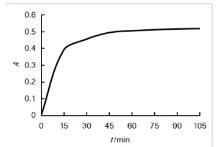
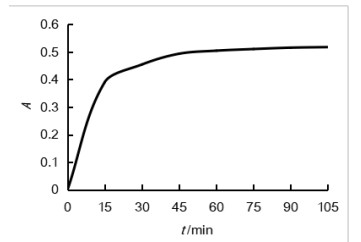
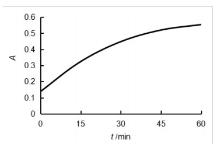
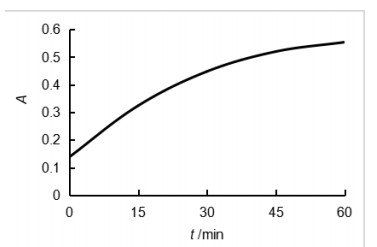
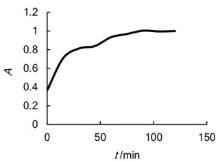
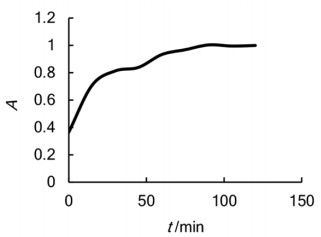
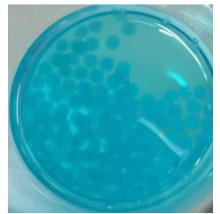
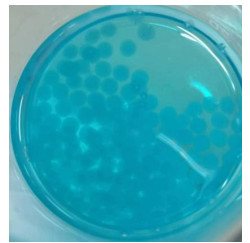
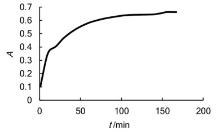
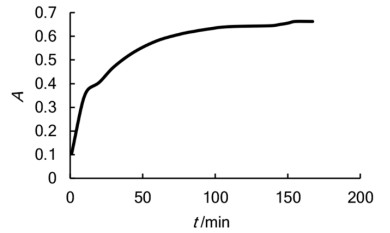
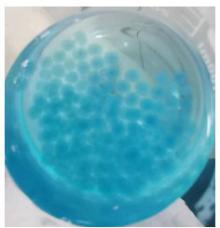
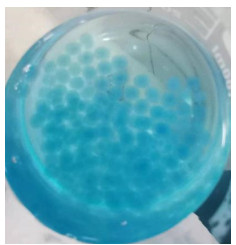
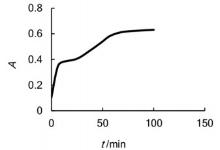
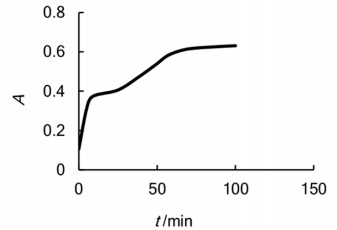
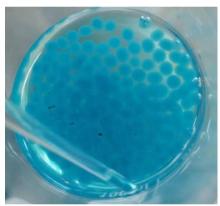
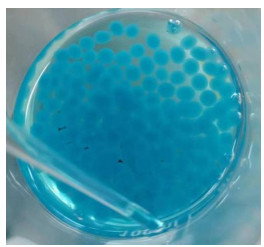
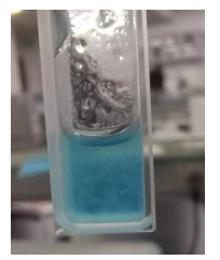
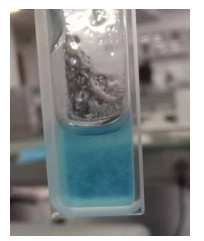
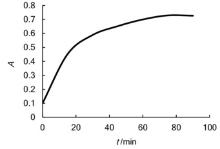
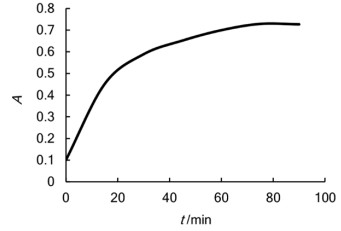
“海藻酸盐微胶囊的制备、药物包封及缓控释分析实验”是Ⅱ型分析化学实验中非常典型的一个研究型实验,它涵盖了微胶囊形成原理探究、实验条件设计、微胶囊性能表征等科研基本能力的训练。将海藻酸钠与亚甲基蓝混合溶液分别滴加至3% CaCl2溶液和1%壳聚糖溶液中,从而制备出两种不同性能的微胶囊。通过分光光度法测得不同时间溶液的浓度,从而得到缓释曲线,并对两种胶囊的缓释性进行对比分析。后续探究实验采用一步法和两步法制备微胶囊,将两种体系的优点结合起来,得到缓释性和稳定性均较好的微胶囊。

关键词: 海藻酸盐, 微胶囊, 缓释曲线, 一步法, 两步法

Abstract:

The "Alginate microcapsule preparation, drug encapsulation, and sustained controlled release analysis experiment" serves as a prominent research-oriented experiment within Type Ⅱ analytical chemistry experiments. It encompasses essential training in basic scientific research skills, including the exploration of microcapsule formation principles, experimental condition design, and microcapsule performance characterization. In this experiment, a mixed solution of sodium alginate and methylene blue was dropped into 3% CaCl2 solution and 1% chitosan solution, respectively, resulting in the preparation of two microcapsules with distinct properties. The concentration of the solution was measured at various time intervals using spectrophotometry to derive sustained-release curves, facilitating a comparative analysis of the sustained-release properties of the two microcapsules. Additionally, a subsequent exploration experiment employed both one-step and two-step methods for microcapsule preparation, combining the advantages of both systems to achieve microcapsules with optimal sustained-release and stability characteristics.

Key words: Alginate, Microcapsule, Sustained-release curve, One-step method, Two-step method