大学化学 >> 2023, Vol. 38 >> Issue (8): 177-185.doi: 10.3866/PKU.DXHX202208135

化学实验 上一篇    下一篇

基于智能手机及机器学习技术对食品中多种抗生素的识别

邓松泉, 龚琪, 唐艳秋, 王楠, 陈芳, 朱丽华, 王靖宇, 王宏()   

  • 收稿日期:2022-08-31 录用日期:2022-10-11 发布日期:2022-11-25
  • 通讯作者: 王宏 E-mail:hongwzy@hust.edu.cn
  • 基金资助:
    华中科技大学教学研究项目(2021109)

Smart Phone Coupled with Machine Learning for Identifying Multiple Antibiotics in Food

Songquan Deng, Qi Gong, Yanqiu Tang, Nan Wang, Fang Cheng, Lihua Zhu, Jingyu Wang, Hong Wang()   

  • Received:2022-08-31 Accepted:2022-10-11 Published:2022-11-25
  • Contact: Hong Wang E-mail:hongwzy@hust.edu.cn

摘要:

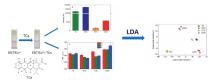
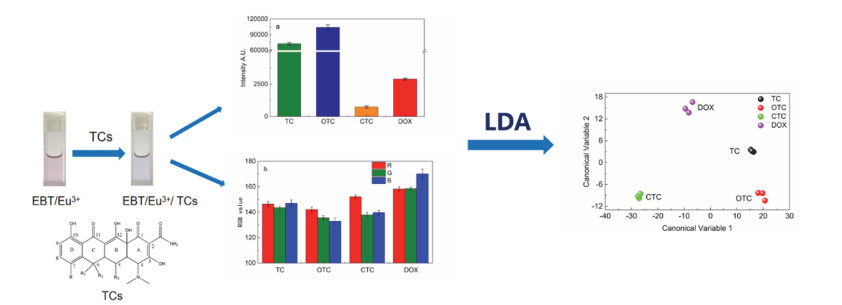
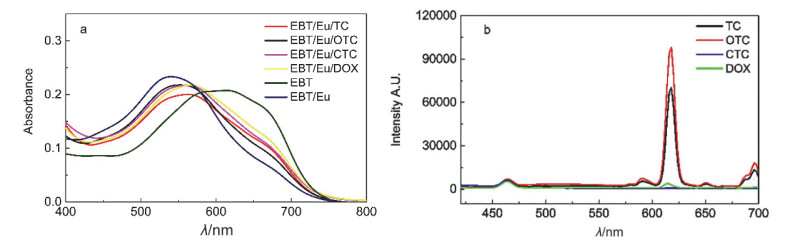
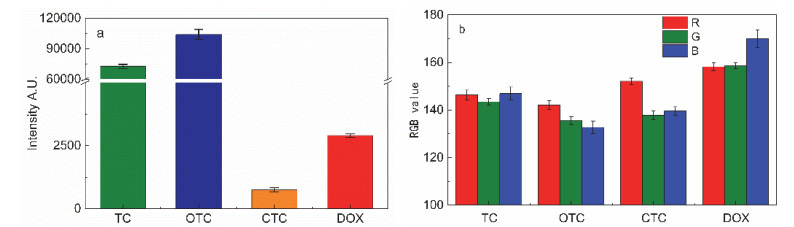
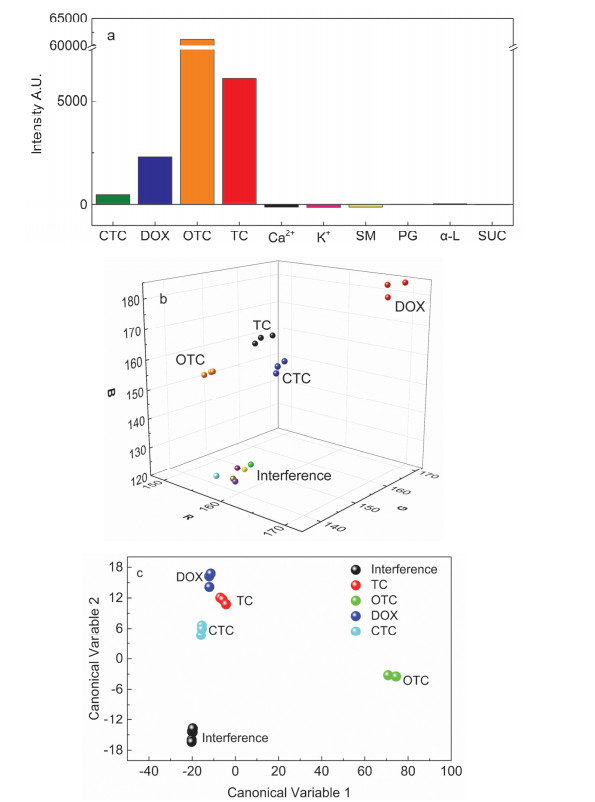
基于铬黑T与铕离子构建了比色和荧光双通道探针(EBT/Eu3+),利用智能手机颜色识别和荧光测试获得四种四环素加入EBT/Eu3+后颜色和荧光信号的变化,结合机器学习中模式识别方法,成功实现了蜂蜜中四种四环素的识别。本实验将探针制备、智能手机颜色获取、荧光测试、机器学习、多种抗生素识别等多个知识点进行创新融合,综合性强。

关键词: 铬黑T, 铕离子, 比色荧光探针, 模式识别, 抗生素

Abstract:

In this study, a method for identifying residual antibiotics in food was developed based on chromium black T and europium ion as colorimetric and fluorescent probes (EBT/Eu3+) coupled with pattern recognition in machine learning. The changes in color and fluorescence of four antibiotics with the addition of EBT/Eu3+ were obtained using smart phone and fluorescence measurements. Assisted by pattern recognition, the four antibiotics in honey were successfully identified. This experiment is highly comprehensive; it integrates multiple knowledge points, such as two-channel probe preparation, color recognition based on smart phone, fluorescence measurements, machine learning, and identification of various antibiotics.

Key words: Chromium black T, Europium ion, Colorimetric and fluorescent probe, Pattern recognition, Antibiotics