大学化学 >> 2023, Vol. 38 >> Issue (12): 228-234.doi: 10.3866/PKU.DXHX202304081

化学实验 上一篇    下一篇

“乙酰水杨酸的制备和分析表征”教学实验的优化和改进

乔佳凡, 丁姝, 吴书涵, 孙继超, 马莹, 张恒, 贾春江, 徐政虎, 苑世领, 刘刚()   

  • 收稿日期:2023-04-24 录用日期:2023-07-11 发布日期:2023-07-17
  • 通讯作者: 刘刚 E-mail:sdu_lg@sdu.edu.cn
  • 作者简介:第一联系人:

    †共同第一作者

  • 基金资助:
    教育部首批新文科研究与改革实践项目(2021100060);山东省本科教学改革研究项目(M2021336);山东省本科教学改革研究项目(Z2021039);山东大学青年交叉科学群体项目(2020QNQT018);山东大学教育教学改革研究项目(2022Y070);山东大学教育教学改革研究项目(2022Y073);山东大学教育教学改革研究项目(2022Z64);山东大学教育教学改革研究项目(2021S09);山东大学教育教学改革研究项目(2021Y232);山东大学教育教学改革研究项目(2019P02);山东大学实验室建设与管理研究项目(sy20221201);山东大学实验室建设与管理研究项目(sy20212202);山东省研究生教育优质课程建设项目(SDYKC21014);山东省研究生教育优质课程建设项目(YZKC202107)

Optimization and Improvement of the Teaching Experiment of "Synthesis, Analysis and Characterization of Acetylsalicylic Acid"

Jiafan Qiao, Shu Ding, Shuhan Wu, Jichao Sun, Ying Ma, Heng Zhang, Chunjiang Jia, Zhenghu Xu, Shiling Yuan, Gang Liu()   

  • Received:2023-04-24 Accepted:2023-07-11 Published:2023-07-17
  • Contact: Gang Liu E-mail:sdu_lg@sdu.edu.cn

摘要:

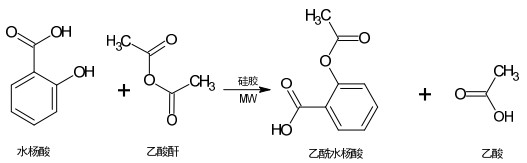
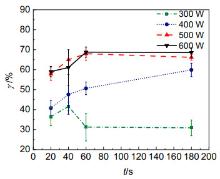
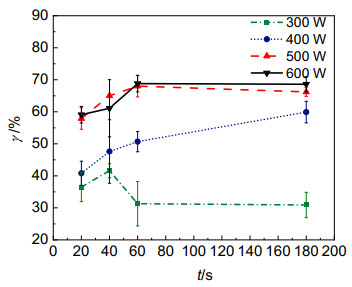
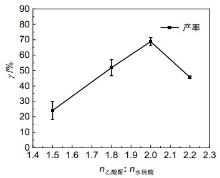
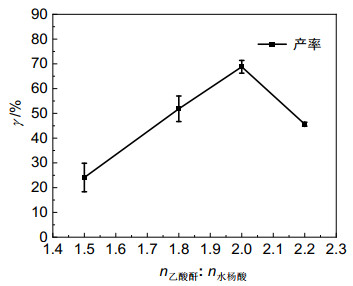
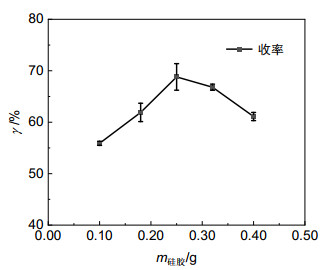
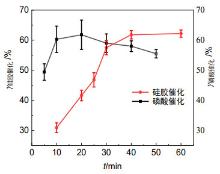
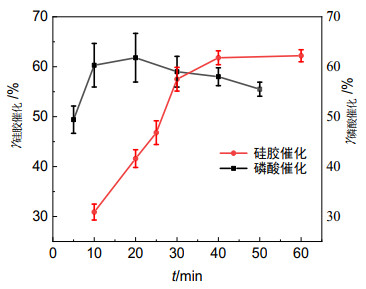
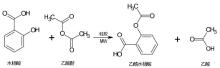
以水杨酸和乙酸酐为原料,硅胶为催化剂,利用微波技术优化改进“乙酰水杨酸的制备和分析表征”大学有机化学教学实验,通过实验探究,分析了微波功率、反应时间、原料配比等因素对最终产率的影响,得到了最佳实验条件:硅胶目数为100-200目,用量为0.25 g,反应时间60 s,反应温度70℃,微波功率500 W,乙酸酐与水杨酸的物质的量之比为2:1,平均产率约为68.0%。与常规加热情况下乙酰水杨酸的制备相比,微波辅助合成法具有操作简便、反应时间短、产品的产率高、杂质少、对环境友好等优势。将该微波实验引入大学本科生有机化学实验教学,能开阔学生视野、丰富实验教学内容,进一步提高教学水平。

关键词: 微波, 硅胶, 乙酰水杨酸, 绿色化学

Abstract:

Using salicylic acid and acetic anhydride as raw materials, silica gel as a catalyst, and microwave technology as an optimization method, the university organic chemistry teaching experiment of 'Preparation and Characterization of Acetylsalicylic Acid' was improved. Through the experiment, the impact of factors such as microwave power, reaction time, and raw material ratio on the final yield was explored. The optimal experimental conditions were determined as follows: silica gel with a particle size of 100-200 mesh, 0.25 g in quantity, 60 s reaction time, 70℃ reaction temperature, 500 W microwave power, and a molar ratio of acetic anhydride to salicylic acid of 2 : 1. The average yield was approximately 68.0%. Compared to the conventional heating method for the preparation of acetylsalicylic acid, microwave-assisted synthesis offers advantages such as simplicity, shorter reaction time, higher product yield, fewer impurities, and environmental friendliness. Introducing this microwave experiment into undergraduate organic chemistry laboratory teaching can broaden students' horizons, enrich experimental teaching content, and further improve the teaching level.

Key words: Microwave, Silica gel, Acetylsalicylic acid, Green chemistry