University Chemistry ›› 2023, Vol. 38 ›› Issue (6): 171-181.doi: 10.3866/PKU.DXHX202208123

Special Issue:

Previous Articles     Next Articles

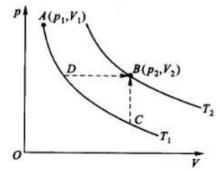
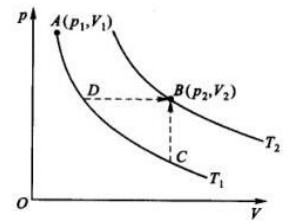
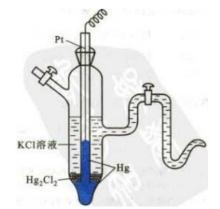
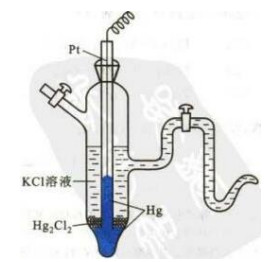
Evaluation and Research on Visual Representation of Domestic Mainstream Physical Chemistry Textbooks: Taking the Sixth Edition of Physical Chemistry by Nanjing University as an Example

Bingyao Xiao, Yuan Yang(), Jidong Yang()   

  • Received:2022-08-26 Accepted:2022-11-26 Published:2022-12-05
  • Contact: Yuan Yang, Jidong Yang E-mail:yuanyang@hunnu.edu.cn;winteryjd@163.com

Abstract:

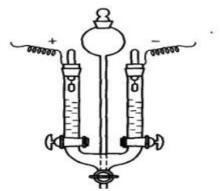
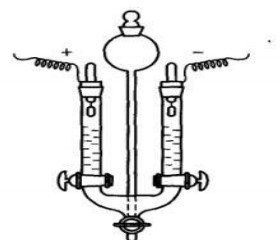
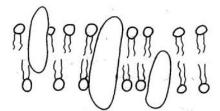
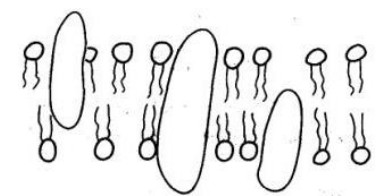
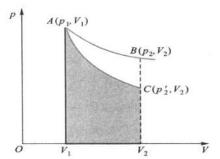
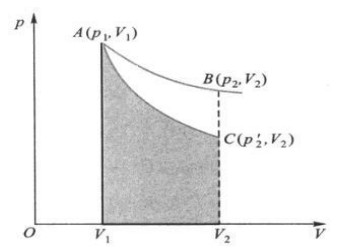
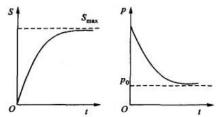
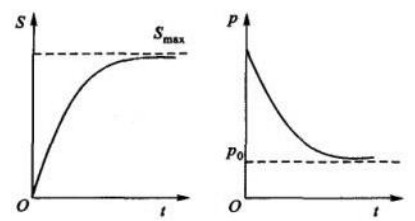
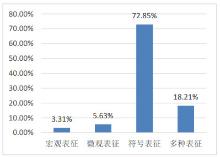
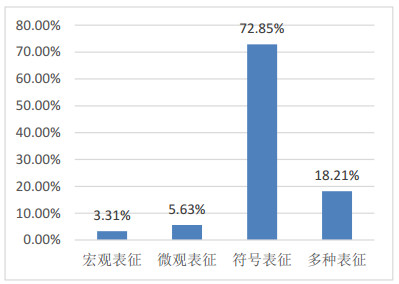
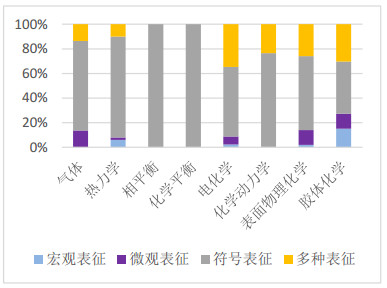
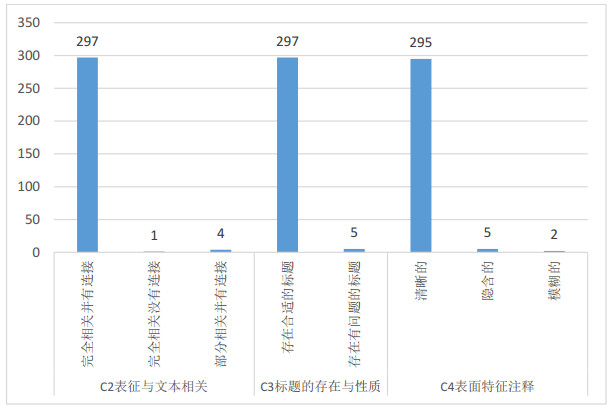
Taking the sixth edition of Physical Chemistry of Nanjing University published by Higher Education Press in 2022 as the research object, and drawing on the analytical framework developed by Gkitzia et al., the content analysis method was used to analyze the visual representations in the textbook. Coding statistics and analysis of textbooks are carried out from four dimensions: type of representation, relationship between representation and text, appropriate title and surface feature annotation. The research found that: (1) In terms of representation types, there are symbols, macroscopic, microscopic, and various representations, but there are no multiple or multi-type representations, and the quantity is extremely unbalanced. Amongst, the proportion of symbolic representation (72.85%) is large and exceeds the sum of several other representation forms, while the macro representation (3.31%) and micro representation (5.63%) are significantly less, of which various representations (18.21%) are mainly a combination of "macro-symbol" and "micro-symbol". (2) In terms of representation presentation, the over-all quality is relatively high, specifically, 98.34% of visual representations are completely related and connected to text, 98.34% of visual representations have appropriate titles, and 97.68% of visual representations have clear representation annotations. Based on the research results, possible directions for visual representation improvement in physical chemistry textbooks are explored.

Key words: Physical chemistry textbook, Visual representation, Triple representation, Content analysis