University Chemistry ›› 2024, Vol. 39 ›› Issue (1): 287-293.doi: 10.3866/PKU.DXHX202307042

• Chemistry Laboratory • Previous Articles     Next Articles

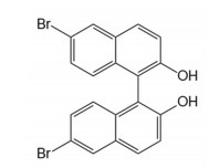
Coupling Synthesis and Chiral Splitting of 6, 6'-Dibromo-1, 1'-Bi-2-Naphthol: Improvement and Development of a Comprehensive Organic Chemistry Experiment

Shirui Di(), Shuai Wang, Xin Liu, Hongping Zhu()   
  • Received:2023-07-19 Accepted:2023-09-18 Published:2023-10-18
  • Contact: Shirui Di, Hongping Zhu E-mail:20420202203841@stu.xmu.edu.cn;hpzhu@xmu.edu.cn

Abstract:

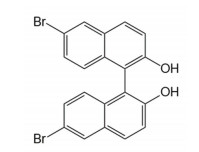
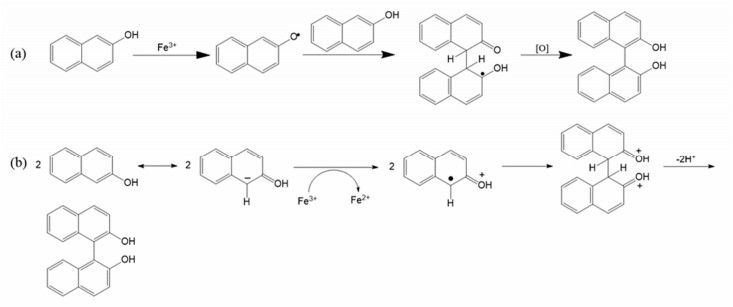
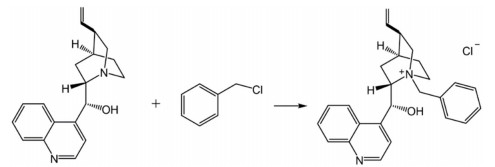
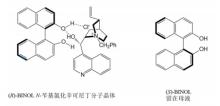
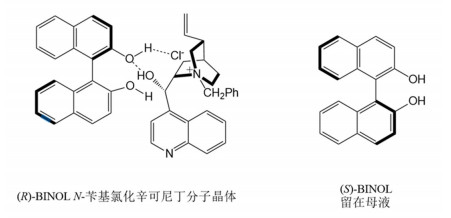
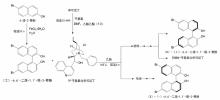
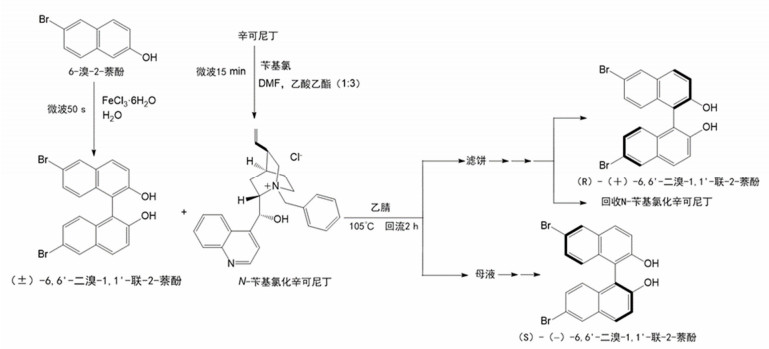
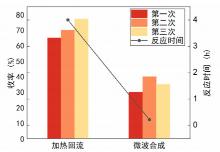
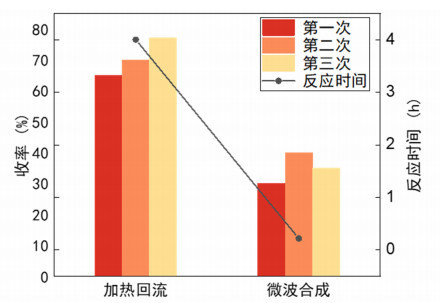
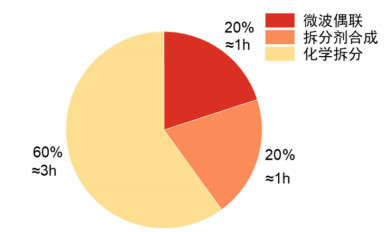
6, 6'-Dibromo-1, 1'-bi-2-naphthol is a derivative of 1, 1'-bi-2-naphthol (BINOL), both of which are archetypal axially chiral organic molecules. The study of the synthesis and separation of such molecules is crucial for undergraduates to deepen their understanding of axially chiral compounds. Considering the high cost of (±)-BINOL and its derivatives, which hinders extensive synthesis and separation experiments for educational purposes, this study employs microwave-assisted synthesis for the coupling of 6, 6'-ibromo-1, 1'-bi-2-naphthol. In addition, we have developed a microwave synthesis method for the chiral separating agent, N-benzylcinchonidine chloride, and used it directly for the chemical separation of 6, 6'-dibromo-1, 1'-bi-2-naphthol. By introducing microwave-assisted synthesis, optimizing the solvents for the synthetic reactions, and recycling the separating agent, this experiment aligns more closely with the principles of green chemistry. Pedagogically, the experiment involves multiple operations, serving as a comprehensive test of students' experimental skills and offering significant educational value.

Key words: BINOL and its derivatives, Microwave synthesis, Chiral disassembly, Chemical experimental teaching