| 1 |
教育部.中华人民共和国教育部公报,2019,(9),26.
|
| 2 |
胡文远;钟国清;杨定明;蒋琪英;张欢.大学化学,2021,36(12),2105064.
|
| 3 |
李万鑫.山东化工,2021,50(14),228.
doi: 10.3969/j.issn.1008-021X.2021.14.096
|
| 4 |
李洪亮;郭艳青;黄锐;张毅;林圳旭;宋捷;林泽文;侯得健;张文星;宋超.广东化工,2021,48(10),291.
|
| 5 |
唐萍萍;胡仪元.陕西理工大学学报(社会科学版),2020,38(4),66.
|
| 6 |
蔡苹;胡锴;罗威;程功臻.大学化学,2021,36(7),23.
|
| 7 |
张东凤;朱英.大学化学,2022,37(7),2109016.
|
| 8 |
AdabiH.;ShakouriA.;Ul HassanN.;VarcoeJ. R.;ZuleviB.;SerovA.;RegalbutoJ. R.;MustainW. E.Nat. Energy2021,6(8),834.
|
| 9 |
MeffordJ. T.;AkbashevA. R.;KangM. K.;BentleyC. L.;GentW. E.;DengH. T. D.;AlsemD. H.;YuY. S.;SalmonN. J.;ShapiroD. A.;et alNature2021,593(7857),67.
|
| 10 |
RafalskyiD.;MartinezJ. M.;HablL.;RossiE. Z.;ProynovP.;BoreA.;BaretT.;PoyetA.;LafleurT.;DudinS.;et alNature2021,599(7885),411.
|
| 11 |
HerrP.;KerzigC.;LarsenC. B.;HaussingerD.;WengerO. S.Nat. Chem.2021,13(10),956.
|
| 12 |
SmitW. J.;BakkerH. J.Angew. Chem. Int. Ed.2017,56(49),15540.
|
| 13 |
LohZ. H.;DoumyG.;ArnoldC.;KjellssonL.;SouthworthS. H.;Al HaddadA.;KumagaiY.;TuM. F.;HoP. J.;MarchA. M.;et alScience2020,367(6474),179.
|
| 14 |
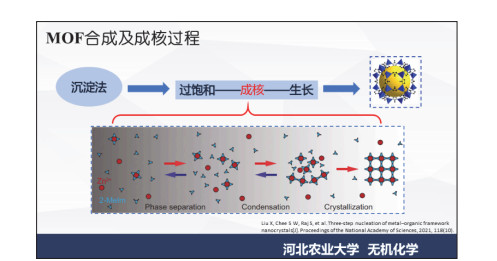
LiuX. W.;CheeS. W.;RajS.;SawczykM.;KralP.;MirsaidovU.P. Natl. Acad. Sci. USA2021,118(10),e2008880118.
|
| 15 |
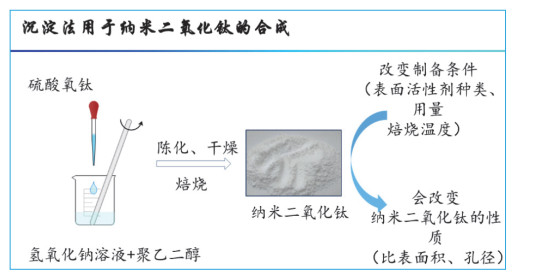
戴亚堂. 化学沉淀法制备锐钛型介孔纳米二氧化钛粉体的研究[博士学位论文]. 成都: 四川大学, 2006.
|
| 16 |
YaghiO. M.;O'KeeffeM.;OckwigN. W.;ChaeH. K.;EddaoudiM.;KimJ.Nature2003,423(6941),705.
|
| 17 |
余凡;李艾华;张玉敏;邹新;胡思前.大学化学,2016,31(12),64.
|
| 18 |
胡慧;张大帅;张秀玲;孙建之.山东化工,2020,49(8),208.
|
| 19 |
刘小慧;苏紫珊;谢炜桃;梁家亮;王小婷;刘盛杰;邱燕璇;柳晓俊;许伟钦.化学教育(中英文),2020,41(4),69.
|
| 20 |
LiG.;MengX.;WangJ.;WangQ.;ZhouJ.;WangC.;WuQ.;WangZ.Food Chem.2020,309,125618.
|



 ), 吴秋华(