University Chemistry ›› 2023, Vol. 38 ›› Issue (1): 233-239.doi: 10.3866/PKU.DXHX202201019

• Chemistry Laboratory • Previous Articles     Next Articles

The High Efficiency Synthesis of Flavonoid Drug Molecules

Zhongxue Fang, Qihao Jin, Haoyu Wen, Wenting Sun, Jingtao Dai()   

  • Received:2022-01-12 Accepted:2022-04-27 Published:2022-05-23
  • Contact: Jingtao Dai E-mail:ycjtdai@163.com

Abstract:

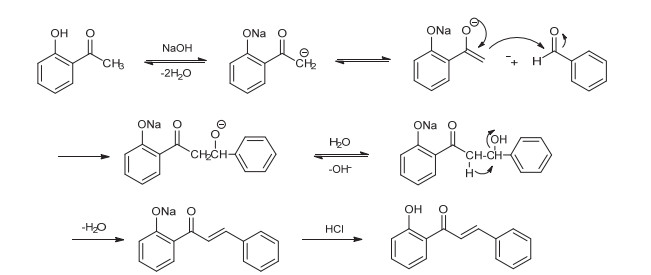
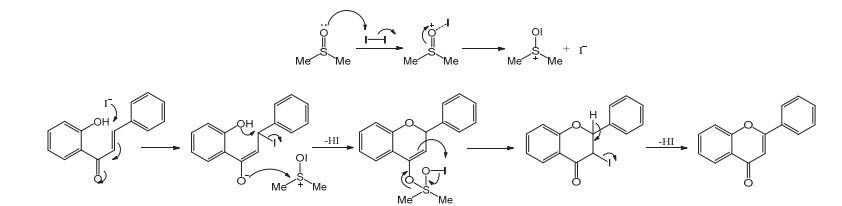
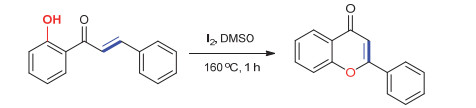
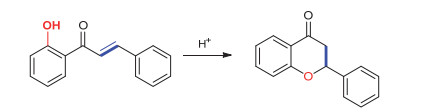
The extraction of Rutin from Sophora japonica buds is a classic experiment performed in basic organic chemistry for the extraction of flavonoids from plants. The molecular structure of a series of flavonoid drugs extracted from plants, which are derived from 2-phenylchromogenone (also known as flavone) molecules, were analyzed. In the experiment, we found that the extraction yield of flavonoids is low and could not satisfy the current demand for flavonoid drugs. Therefore, we attempted to synthesize flavonoids and their corresponding derivatives using a high efficiency chemical method. Flavonoid synthesis was divided into two steps. First, 2'-hydroxychalcone was synthesized by aldol condensation, followed by the cyclization of iodine-catalyzed molecules to produce flavone. This experiment requires approximately 6 h to complete and can be used as a teaching experiment, as well as a development and open experiment after class. The improved experiment has the advantages of safety, easy operation, good repeatability, and high yield compared with the extraction from plants. In addition, through the improvement of this experiment, the students were guided to adopt a similar method to design and synthesize the flavonoid derivative "efloxatem" (the main active component in angina pectoris). This experiment enriched the teaching content of organic chemistry experiments, improved students' analytical ability, and cultivated their spirit of scientific exploration.

Key words: Flavone, Aldol condensation, Cyclization reaction, Lodine catalyzed, Efloxatem