University Chemistry ›› 2022, Vol. 37 ›› Issue (5): 2110049.doi: 10.3866/PKU.DXHX202110049

Special Issue:

Previous Articles     Next Articles

Multi-Technology Fusion and the Innovative Experiment of Determination of Barium Content Using the Precipitation Gravimetric Method

Zhe Meng(), Weiming Song, Xiaohu Ma, Yuan Li, Qiyun Luo   

  • Received:2021-10-15 Accepted:2021-11-04 Published:2022-03-22
  • Contact: Zhe Meng E-mail:meng_z@nxu.edu.cn

Abstract:

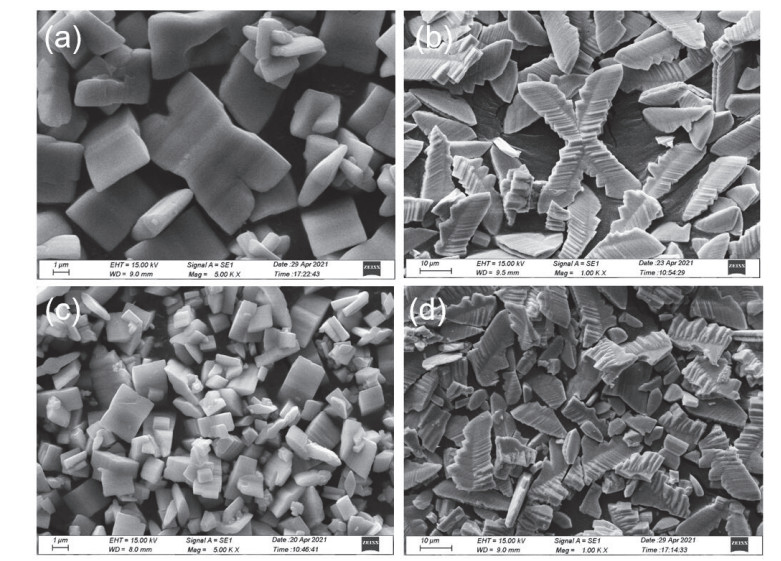
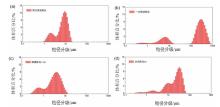
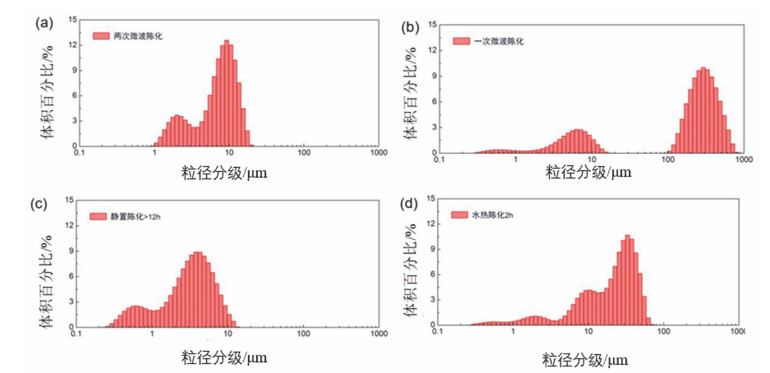
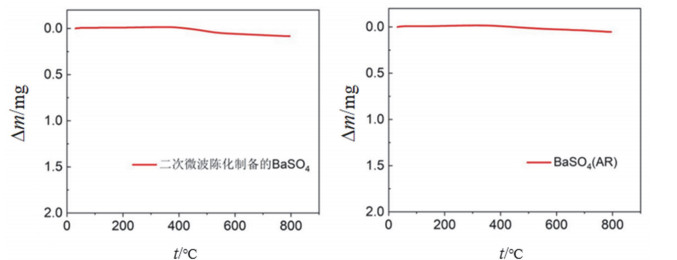
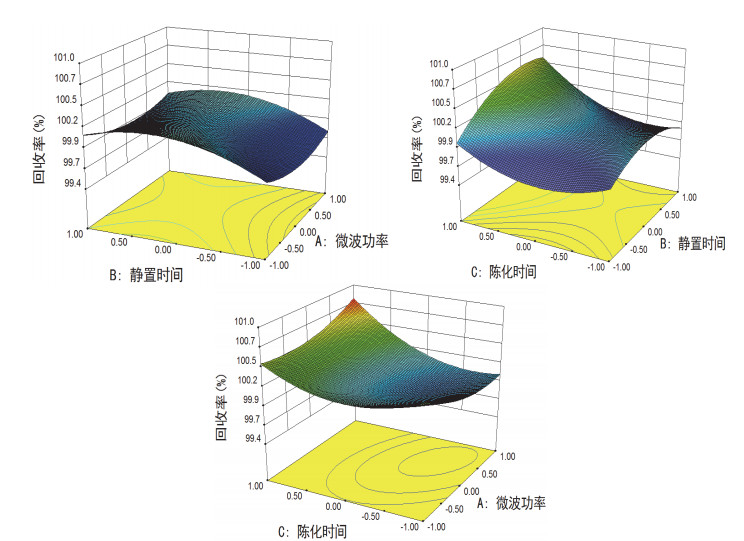
In the current experiment for barium content determination by using the precipitation gravimetric method, the precipitation aging process is found to be time consuming. Depending on the thermodynamic theory of crystal precipitation growth, the microwave technology is innovatively introduced to shorten the precipitation aging process through an improved experiment. Kinetic analysis reveals that crystal nucleus formation is governed by two factors: nucleus formation rate and growth. After response surface method optimization, two consecutive microwave irradiation cycles are conducted for 5 min at 300 W; the standing interval is 15 min. Finally, a coarse BaSO4 precipitate with a complete morphology and large particle size distribution (~10 μm) can be successfully prepared. The total time for the precipitation aging process through this improved experiment is only 25 min. The sufficient integration between the metaphysical principles and basic experimental teaching by various visual micro-representation techniques will help to enhance the frontier and high-order characteristic of undergraduate experimental teaching. From the experimental teaching perspective (4 class hours), the improved experiment is more in line with modern chemistry experiment teaching and lays a good foundation for students' scientific research and innovation abilities.

Key words: Gravimetric method by precipitation, Microwave aging, Determination of barium content, Innovative design