University Chemistry ›› 2024, Vol. 39 ›› Issue (1): 320-324.doi: 10.3866/PKU.DXHX202306057

• Between Teacher and Student • Previous Articles     Next Articles

Interpretation of Arrhenius Formula by Transition State Theory: Taking the Reaction of Isopropyl Nitrate with Radicals as an Example

Cuihong Sun, Baoen Xu, Ying Liu, Jing Yang, Liqiang Lv()   

  • Received:2023-06-27 Accepted:2023-08-24 Published:2023-09-01
  • Contact: Liqiang Lv E-mail:liqiang_lv@126.com

Abstract:

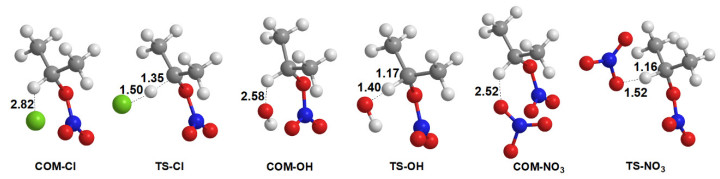
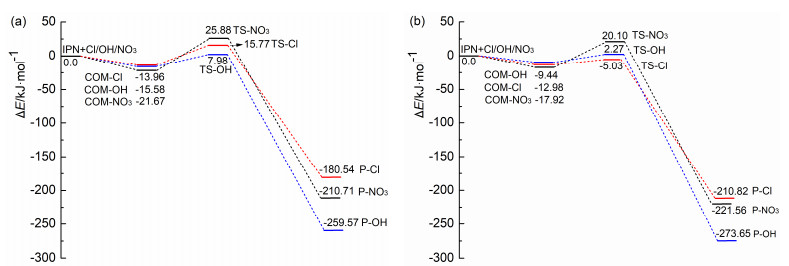
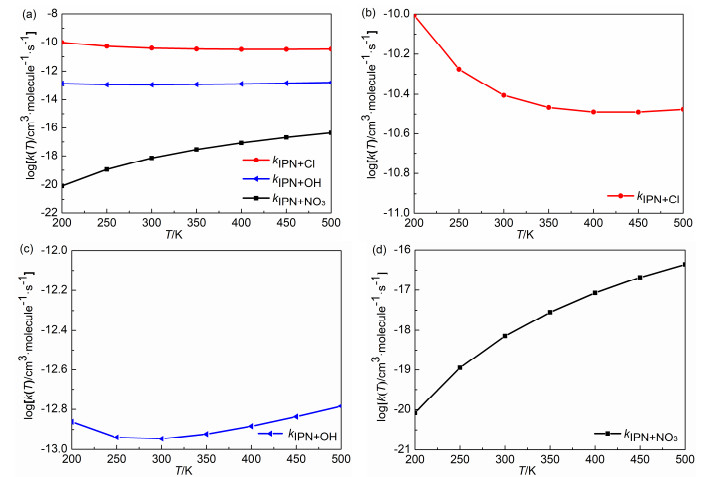
In the teaching of university-level physical chemistry, the Arrhenius formula elucidates the relationship between the rate constant of a reaction, temperature, and activation energy. However, it is difficult for students to understand and master the formula simply from its expression. Taking the reaction of isopropyl nitrate with Cl atoms, OH and NO3 radicals as examples, the rate constants of the reactions at different temperatures were calculated based on the potential energy surface by the Transition State Theory. The change trends of rate constants with temperature for the reactions with different energy barriers have been visually analyzed. We hope to help students understand Arrhenius formula in essence by analyzing specific cases, so as to broaden their knowledge and cultivate their scientific inquiry ability.

Key words: Kinetics, Potential energy surface, Rate constant, Temperature