University Chemistry ›› 2023, Vol. 38 ›› Issue (12): 205-211.doi: 10.3866/PKU.DXHX202304067

• Chemistry Laboratory • Previous Articles     Next Articles

Tandem Synthesis of Coumarin-3-Carboxylic Acid Catalyzed by Glycine

Jun Dong(), Youwei Chen, Wei Chang, Zefan Sang, Zihang Zeng, Guodong Xu()   

  • Received:2023-04-18 Accepted:2023-06-21 Published:2023-06-28
  • Contact: Jun Dong, Guodong Xu E-mail:dongj01@yctu.edu.cn;xugd@yctu.edu.cn

Abstract:

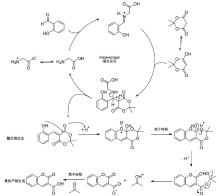
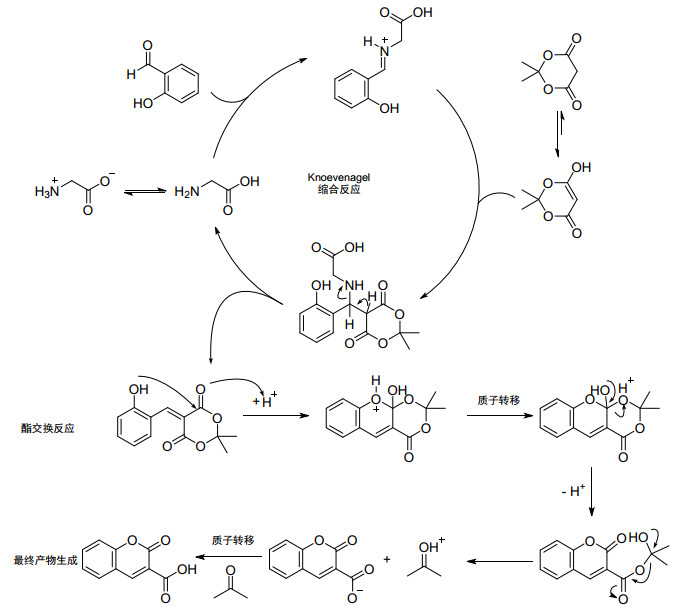
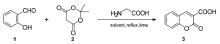
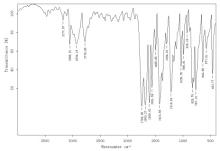
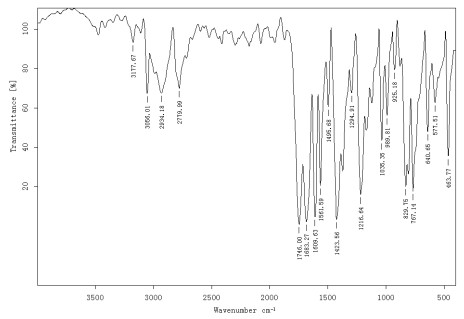
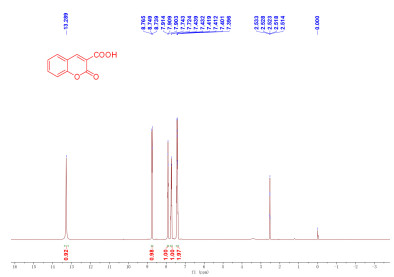
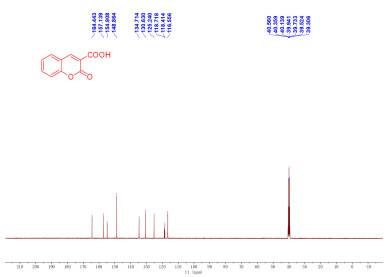
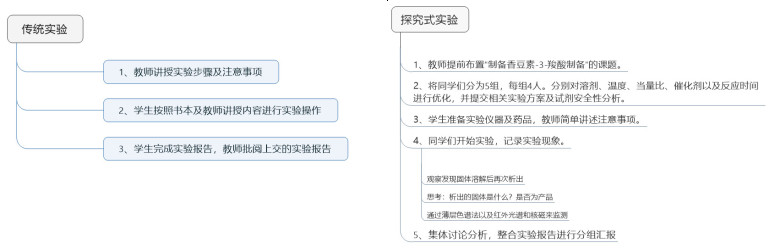
"Coumarin-3-carboxylic acid preparation" is a classic task-based teaching method used in basic organic chemistry experiments. During the experiment, we found that the synthesis of coumarin-3-carboxylic acid was complicated, time-consuming, consisted of several steps, and the reagents involved were not environmentally friendly. A modification was proposed to increase the effective use of teaching time, realize the greenness of the experimental process, and enhance the extensibility and exploration of the experiment. In an improved experiment, the tandem synthesis of coumarin-3-carboxylic acid was accomplished using Meldrum's acid and salicylaldehyde under reflux conditions in water as the solvent and glycine as the catalyst. Once the compound was prepared, its structure was characterized by melting point analysis, infrared spectroscopy, and nuclear magnetic resonance. The entire experiment lasted for approximately 4 h, which is suitable for teaching undergraduates. This improved experiment was based on green synthesis supplemented by physical characterization, which effectively increased the extensibility. We also explored online and offline mixed teaching models to effectively cultivate students' scientific exploration abilities.

Key words: Coumarin-3-carboxylic acid, Glycine, Salicylaldehyde, 2, 2-Dimethyl-1, 3-dioxane-4, 6-dione, Green synthesis